Published on October 22, 2024
Local Manufacturing Facilities Partner with Conservation Group for Sustainable Future
Three major industrial partners join forces with South Fayette Conservation Group to implement groundbreaking sustainable practices and establish measurable environmental goals for the next five years.
A Historic Partnership for Environmental Stewardship
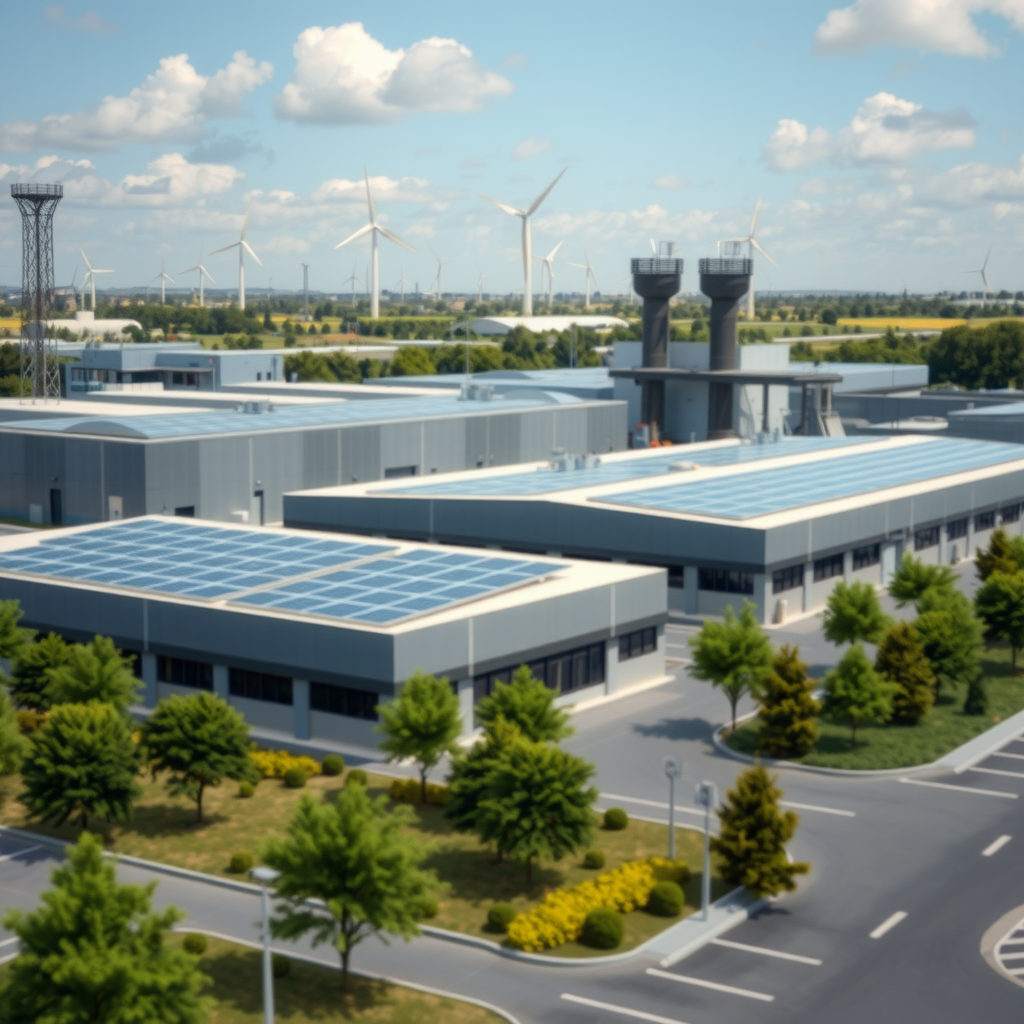
In a landmark announcement that signals a new era of environmental responsibility in local industry, the South Fayette Conservation Group has formalized partnerships with three major manufacturing facilities in the region. This collaboration represents the most significant commitment to sustainable industrial practices in our community's history, with comprehensive plans to reduce carbon emissions, minimize waste, and protect natural resources over the next five years.
The partnership brings together Advanced Materials Corporation, Precision Manufacturing Solutions, and Green Valley Industrial Complex—three facilities that collectively employ over 2,400 workers and represent a significant portion of the region's industrial output. Together, these companies have committed to investing more than $15 million in sustainability initiatives, demonstrating that environmental responsibility and economic prosperity can go hand in hand.
This initiative emerged from eighteen months of collaborative planning, during which our conservation group worked closely with facility managers, environmental engineers, and sustainability consultants to develop realistic yet ambitious goals. The result is a comprehensive framework that addresses every aspect of industrial environmental impact, from energy consumption and water usage to waste management and ecosystem preservation.
The timing of this partnership is particularly significant as industries nationwide face increasing pressure to address climate change and environmental degradation. Rather than viewing sustainability as a regulatory burden, these forward-thinking companies recognize it as an opportunity for innovation, cost savings, and community leadership. Their commitment sets a powerful example for other industrial facilities in the region and beyond.

Advanced Materials Corporation: Leading the Charge in Carbon Reduction
Advanced Materials Corporation, the largest of the three partners, has committed to reducing its carbon footprint by 45% over the next five years. This ambitious target will be achieved through a multi-faceted approach that includes transitioning to renewable energy sources, upgrading manufacturing equipment, and implementing cutting-edge carbon capture technology.
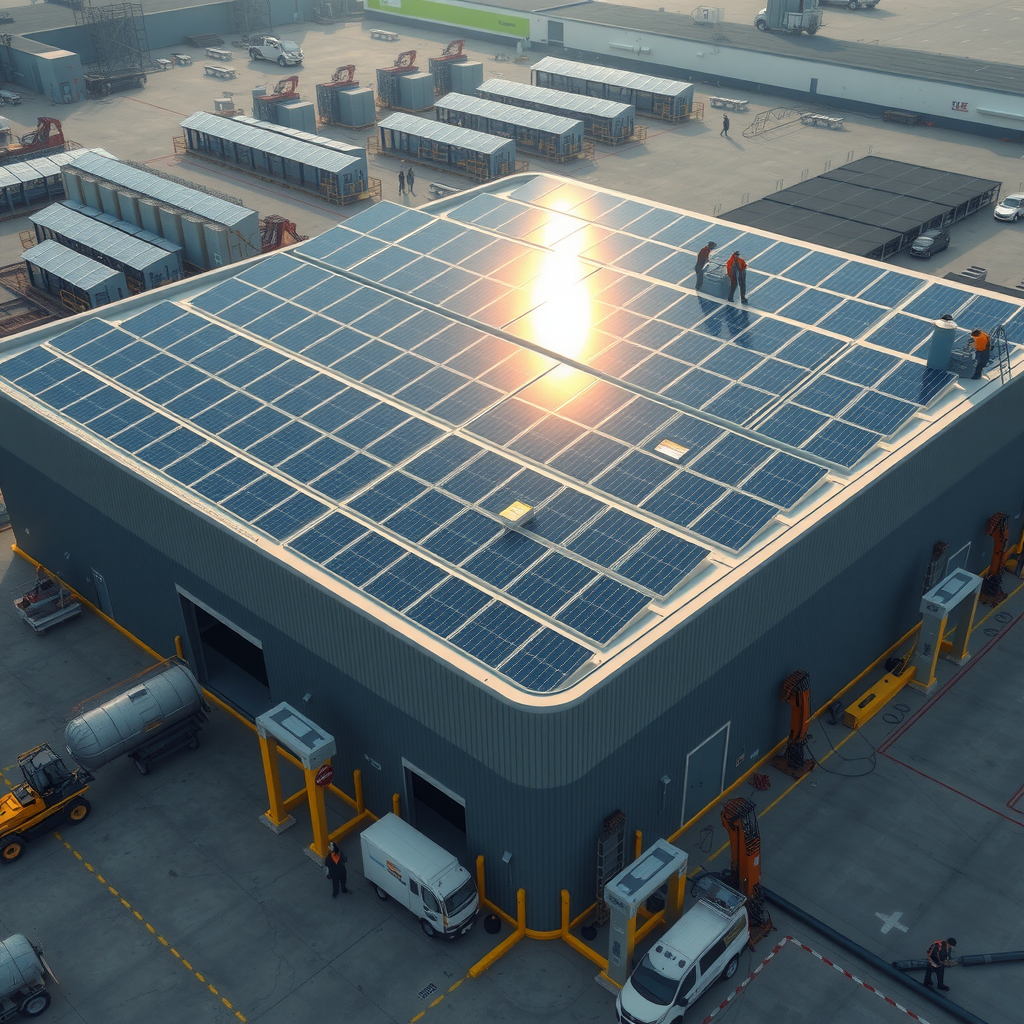
The company's sustainability roadmap begins with the installation of a 5-megawatt solar array on its facility rooftops and adjacent property, scheduled for completion by March 2025. This solar installation will generate approximately 40% of the facility's electricity needs, significantly reducing reliance on fossil fuel-based power. Additionally, Advanced Materials has committed to purchasing renewable energy credits to offset remaining electricity consumption, effectively achieving carbon-neutral power by 2027.
Beyond energy transformation, the company is investing $6.2 million in modernizing its production lines with energy-efficient equipment. New variable-speed motors, LED lighting systems, and advanced HVAC controls are expected to reduce energy consumption by an additional 25%. The facility is also implementing a comprehensive waste heat recovery system that will capture thermal energy from manufacturing processes and redirect it for space heating and water heating applications.
Perhaps most innovative is Advanced Materials' commitment to piloting carbon capture technology in its high-emission production areas. Working with technology partners and university researchers, the company will test systems designed to capture and sequester carbon dioxide directly from manufacturing exhaust streams. If successful, this pilot program could serve as a model for similar facilities nationwide.
Key Commitments from Advanced Materials Corporation
- 45% reduction in carbon emissions by 2029
- 5-megawatt solar array installation by March 2025
- Carbon-neutral electricity by 2027
- $6.2 million investment in energy-efficient equipment
- Waste heat recovery system implementation
- Carbon capture technology pilot program
Precision Manufacturing Solutions: Water Conservation and Waste Reduction
Precision Manufacturing Solutions has identified water conservation and waste reduction as its primary sustainability focus areas. The company's operations currently consume approximately 2.8 million gallons of water annually, much of which is used in cooling systems and parts cleaning processes. Through innovative water recycling systems and process improvements, Precision Manufacturing has committed to reducing water consumption by 60% within five years.
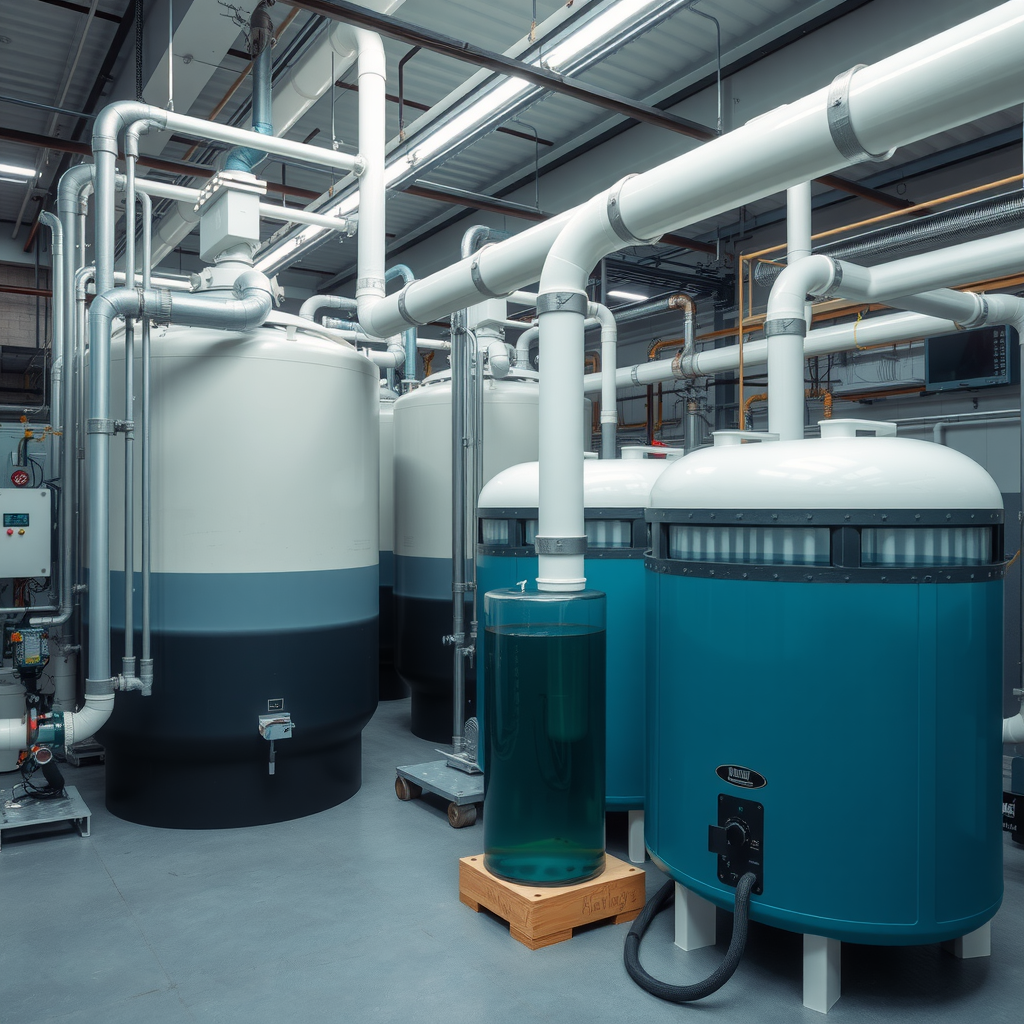
The centerpiece of this water conservation effort is a state-of-the-art closed-loop water recycling system scheduled for installation in early 2025. This system will capture, filter, and purify water used in manufacturing processes, allowing it to be reused multiple times before requiring treatment and discharge. The technology employs advanced filtration, UV sterilization, and reverse osmosis to ensure water quality meets or exceeds manufacturing specifications.
In addition to water conservation, Precision Manufacturing has committed to achieving zero-waste-to-landfill status by 2027. This ambitious goal requires comprehensive changes to waste management practices, including enhanced recycling programs, composting of organic materials, and partnerships with specialized waste processors who can convert industrial byproducts into useful materials. The company estimates that 85% of its current waste stream can be diverted from landfills through these initiatives.
The facility is also implementing a comprehensive materials optimization program designed to reduce raw material consumption and minimize production waste. Through precision cutting technologies, improved inventory management, and redesigned manufacturing processes, the company expects to reduce material waste by 35% while maintaining production output. These efficiency improvements not only benefit the environment but also generate significant cost savings that help fund other sustainability initiatives.
Precision Manufacturing has also committed to restoring and protecting the wetland area adjacent to its facility. Working with our conservation group's ecological restoration team, the company will invest in native plant restoration, invasive species removal, and water quality monitoring. This 12-acre wetland serves as important habitat for local wildlife and plays a crucial role in filtering stormwater runoff before it enters nearby streams.
Green Valley Industrial Complex: Ecosystem Protection and Biodiversity
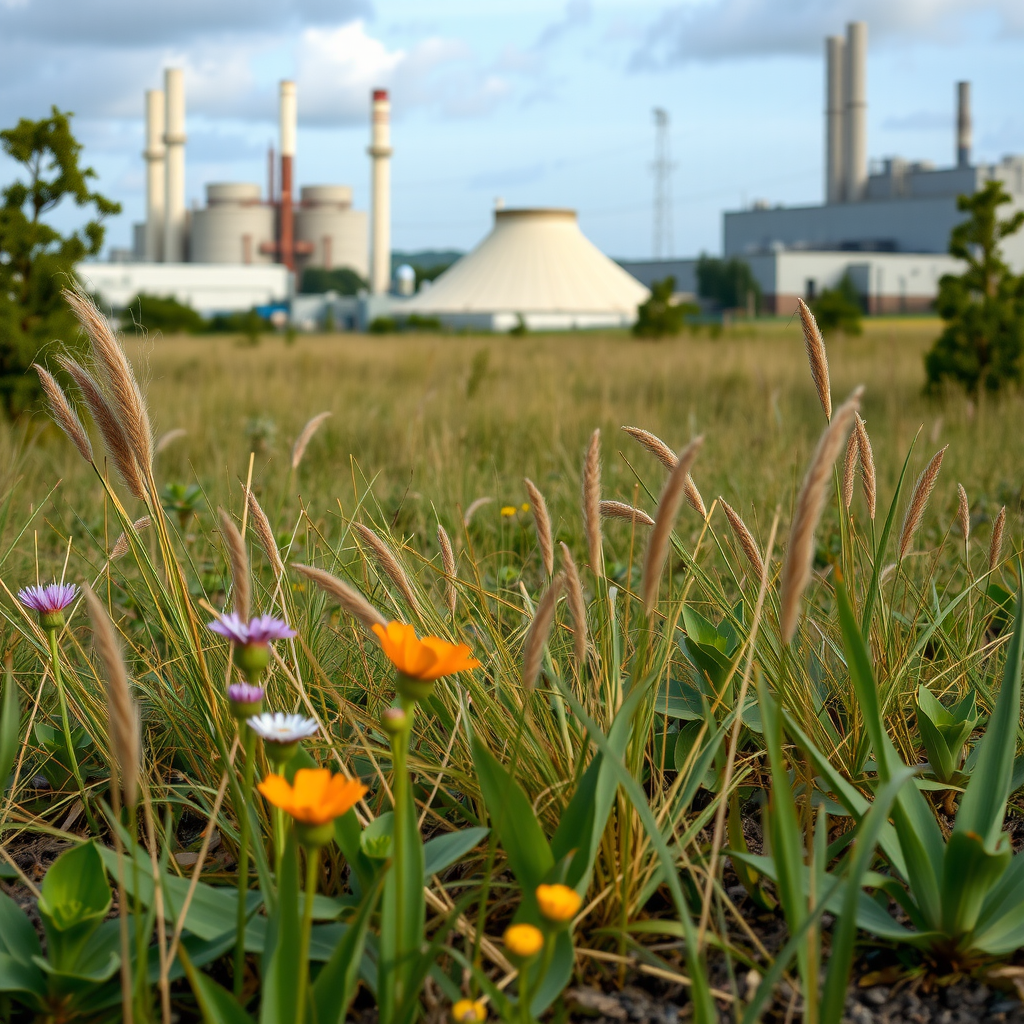
Green Valley Industrial Complex, which houses multiple manufacturing tenants across a 200-acre campus, has taken a unique approach by focusing on ecosystem protection and biodiversity enhancement alongside traditional sustainability measures. The complex management has committed to transforming 40 acres of underutilized land into protected natural habitat while implementing green infrastructure throughout the developed portions of the property.
The habitat restoration project will create diverse ecosystems including native grasslands, woodland areas, and pollinator gardens. Our conservation group's ecologists have developed a comprehensive planting plan featuring over 50 native plant species selected to support local wildlife, including several species of concern identified in regional biodiversity assessments. The restored areas will be connected by wildlife corridors that allow animals to move safely across the property.
Green Valley is also pioneering the use of green infrastructure for stormwater management. Traditional concrete drainage systems will be replaced with bioswales, rain gardens, and permeable pavement that allow rainwater to infiltrate naturally into the soil. These systems not only reduce flooding and erosion but also filter pollutants and recharge groundwater supplies. The complex has committed to managing 90% of stormwater on-site through these natural systems by 2028.
In terms of energy and emissions, Green Valley has committed to reducing campus-wide carbon emissions by 40% through a combination of renewable energy, energy efficiency improvements, and sustainable transportation initiatives. The complex will install electric vehicle charging stations throughout the property and provide incentives for tenants and employees who choose electric or hybrid vehicles. A new shuttle service using electric buses will connect the complex to nearby public transportation hubs, reducing single-occupancy vehicle trips.
Perhaps most significantly, Green Valley has committed to achieving certification under the SITES (Sustainable Sites Initiative) program, a comprehensive rating system for sustainable land development. This certification process requires meeting rigorous standards for ecosystem services, water management, materials selection, and human health and well-being. Green Valley would be the first industrial complex in the region to achieve this prestigious certification.
Green Valley Industrial Complex Highlights
- 40 acres of protected natural habitat restoration
- 50+ native plant species for biodiversity support
- 90% on-site stormwater management by 2028
- 40% reduction in campus-wide carbon emissions
- Electric vehicle infrastructure and shuttle service
- SITES certification pursuit (first in region)
Measurable Goals and Accountability Framework
A critical component of this partnership is the establishment of clear, measurable goals and a robust accountability framework. Each partner facility has committed to quarterly reporting on key performance indicators, with data independently verified by our conservation group's environmental monitoring team. This transparency ensures that commitments translate into real environmental improvements and allows for course corrections if targets are not being met.
The collective five-year goals for all three facilities include reducing carbon emissions by 1.2 million metric tons, conserving 8.5 million gallons of water annually, diverting 15,000 tons of waste from landfills, and protecting or restoring 65 acres of natural habitat. These targets represent significant environmental improvements that will benefit not only our immediate community but also contribute to regional and global sustainability efforts.
To ensure accountability, each facility will publish annual sustainability reports detailing progress toward goals, challenges encountered, and lessons learned. These reports will be made available to the public through our conservation group's website and will be presented at community meetings. Additionally, an independent advisory committee comprising environmental scientists, community representatives, and industry experts will review progress and provide recommendations for improvement.
The partnership agreement includes provisions for adjusting goals based on technological advances, regulatory changes, or unforeseen circumstances. However, any modifications must maintain or exceed the overall environmental benefit of the original commitments. This flexibility ensures the partnership can adapt to changing conditions while maintaining its fundamental purpose of environmental protection.
Community Benefits and Economic Impact
Beyond environmental improvements, this partnership is expected to generate significant community benefits and positive economic impacts. The sustainability initiatives will create approximately 150 new jobs during the implementation phase, including positions in renewable energy installation, environmental monitoring, habitat restoration, and sustainability consulting. Many of these jobs will provide opportunities for local workers to develop skills in emerging green economy sectors.
The partner facilities have also committed to educational outreach programs that will bring sustainability concepts to local schools and community organizations. These programs will include facility tours, classroom presentations, and hands-on learning opportunities that help students understand the connection between industry and environmental stewardship. Our conservation group will coordinate these educational initiatives and develop curriculum materials aligned with state science standards.
From an economic perspective, the energy efficiency improvements and waste reduction measures are projected to save the partner facilities a combined $4.8 million annually once fully implemented. These cost savings demonstrate that environmental responsibility and economic competitiveness are not mutually exclusive. In fact, many sustainability initiatives generate positive returns on investment while simultaneously reducing environmental impact.
The partnership is also expected to enhance the region's reputation as a leader in sustainable industrial practices, potentially attracting other environmentally conscious businesses to the area. This could create a positive feedback loop where sustainability becomes a competitive advantage that drives economic development while protecting natural resources.

Looking Ahead: A Model for Regional Transformation
This partnership represents more than just three facilities making environmental improvements—it establishes a model for how industry and conservation organizations can work together to address climate change and environmental degradation. The collaborative approach, comprehensive planning, and commitment to measurable outcomes provide a blueprint that other communities can adapt to their own circumstances.
Our conservation group is already in discussions with additional industrial facilities interested in joining this initiative. The success of the initial partnership has generated enthusiasm throughout the business community, with several companies expressing interest in developing their own sustainability commitments. We anticipate announcing additional partnerships in the coming months as we work to expand this model across the region.
The five-year timeline for these initial commitments is just the beginning. Each partner facility has indicated interest in setting even more ambitious goals for the period beyond 2029, including potential commitments to carbon neutrality, zero waste, and net-positive biodiversity impact. These long-term aspirations reflect a fundamental shift in how industry views its relationship with the environment—from minimizing harm to actively contributing to ecological restoration and climate solutions.
As we move forward with implementation, our conservation group remains committed to supporting these partners while holding them accountable to their commitments. We will continue to provide technical expertise, facilitate connections with sustainability resources, and celebrate successes while addressing challenges transparently. This partnership demonstrates that when industry, environmental organizations, and community members work together with shared purpose, we can achieve environmental improvements that seemed impossible just a few years ago.
The road ahead will undoubtedly present challenges, but the commitment and resources dedicated to this partnership provide confidence that these ambitious goals can be achieved. Together, we are proving that industry environmental conservation is not just possible—it is essential, achievable, and beneficial for businesses, communities, and the planet we all share.