Our annual watershed cleanup event brought together 150 dedicated volunteers who removed an impressive 2.3 tons of trash and recyclables from local streams and waterways. This remarkable community effort demonstrates the power of collective action in environmental conservation and highlights the ongoing challenges facing our aquatic ecosystems.
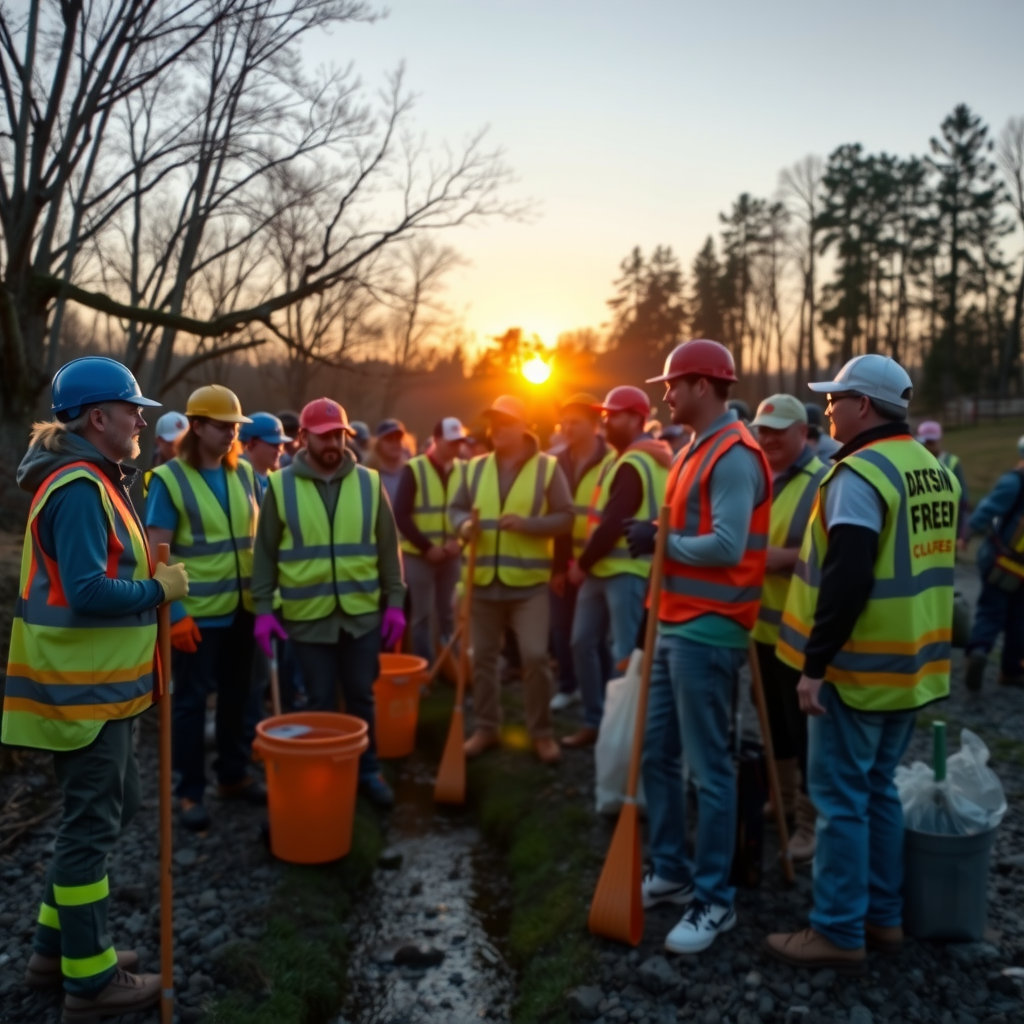
Volunteers gather at dawn to begin the annual watershed cleanup event
On a crisp September morning, volunteers from across the region converged on our local waterways for what has become one of the most anticipated environmental conservation events of the year. The annual watershed cleanup, now in its eighth year, has grown from a small group of 20 dedicated individuals to a movement involving 150 passionate community members committed to protecting our precious water resources.
The event spanned multiple locations across the watershed, with teams deployed to various stream segments, creek beds, and riverbanks. Armed with gloves, trash bags, and determination, volunteers worked tirelessly from 8 AM to 2 PM, navigating challenging terrain and weather conditions to remove debris that threatens both water quality and wildlife habitats.
150
Volunteers
2.3
Tons Removed
12
Miles Cleaned
The Scale of the Challenge
The 2.3 tons of material removed from our waterways represents a significant environmental victory, but it also reveals the ongoing challenge of watershed pollution. This year's haul exceeded last year's collection by nearly 400 pounds, indicating both increased volunteer efficiency and, unfortunately, continued pollution of our water systems.
The cleanup covered approximately 12 miles of streams and waterways, focusing on areas identified through our year-round water quality monitoring program as having the highest concentrations of debris. Teams worked in designated zones, ensuring comprehensive coverage while maintaining safety protocols for working near water.
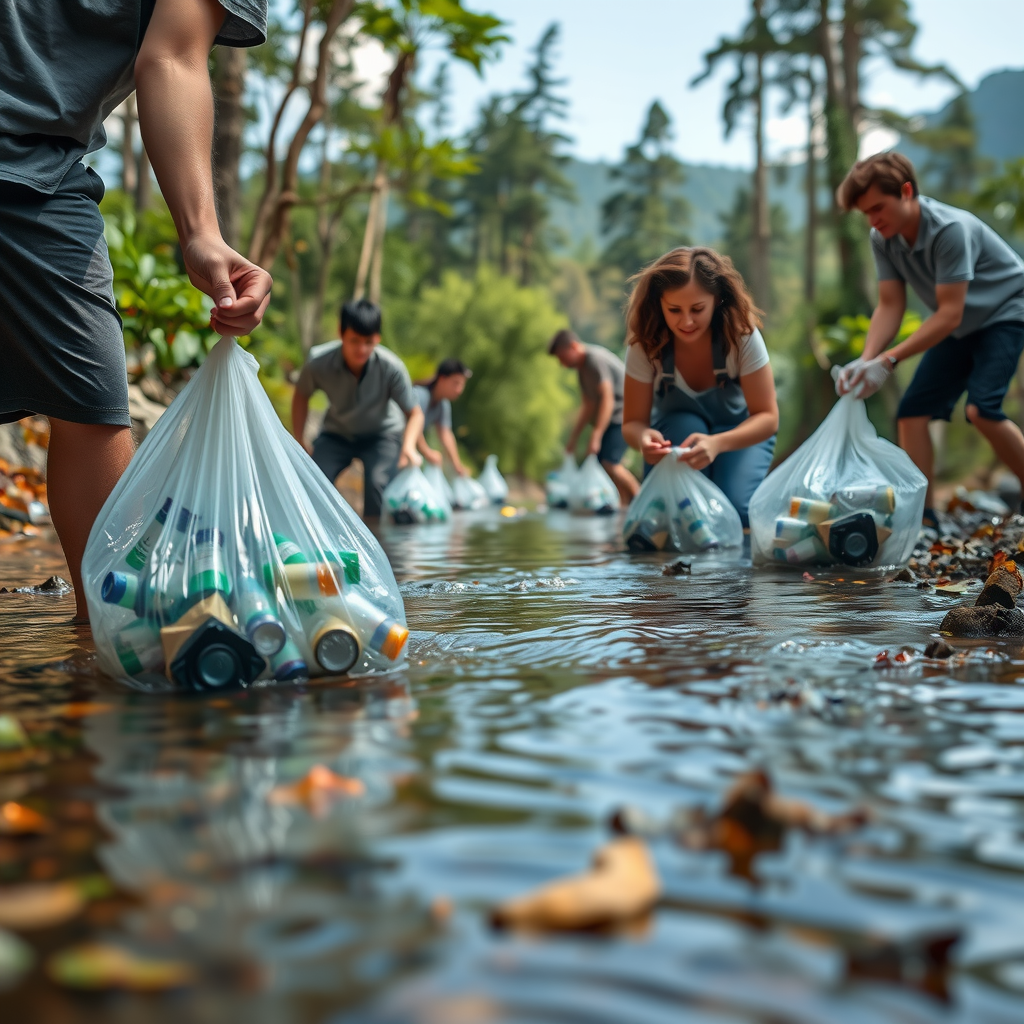
Teams work through stream sections, carefully removing debris while preserving natural habitats
Most Common Pollutants Discovered
Through careful documentation and sorting of collected materials, we identified several categories of pollutants that consistently appear in our waterways. Understanding these patterns is crucial for developing targeted prevention strategies and public education campaigns.
Plastic Pollution Dominates
Plastic materials constituted the largest category of waste removed, accounting for approximately 65% of the total volume collected. This finding aligns with global trends in water pollution and underscores the urgent need for improved plastic waste management and reduction initiatives.
- Single-Use Plastic Bottles: Over 3,200 plastic beverage bottles were collected, representing the single largest item category. Many showed signs of extended environmental exposure, with fading labels and degradation.
- Plastic Bags and Wrappers: Approximately 1,800 plastic bags and food wrappers were removed. These lightweight items are particularly problematic as they easily travel through water systems and fragment into microplastics.
- Foam Containers: 890 foam food containers and cups were collected. Foam materials break down into small particles that are nearly impossible to remove and are frequently ingested by wildlife.
- Plastic Straws and Utensils: Over 1,500 plastic straws, forks, spoons, and knives were found scattered throughout the watershed, many lodged in vegetation or buried in sediment.
Metal and Glass Materials
Metal and glass items comprised approximately 20% of collected materials. While these materials are recyclable, their presence in waterways poses significant hazards to both wildlife and humans.
Metal and Glass Breakdown:
- Aluminum Cans: 2,100 beverage cans collected
- Glass Bottles: 450 bottles, many broken and creating sharp hazards
- Metal Scrap: Various metal fragments, wire, and discarded tools
- Bottle Caps: Over 800 metal bottle caps, a choking hazard for wildlife
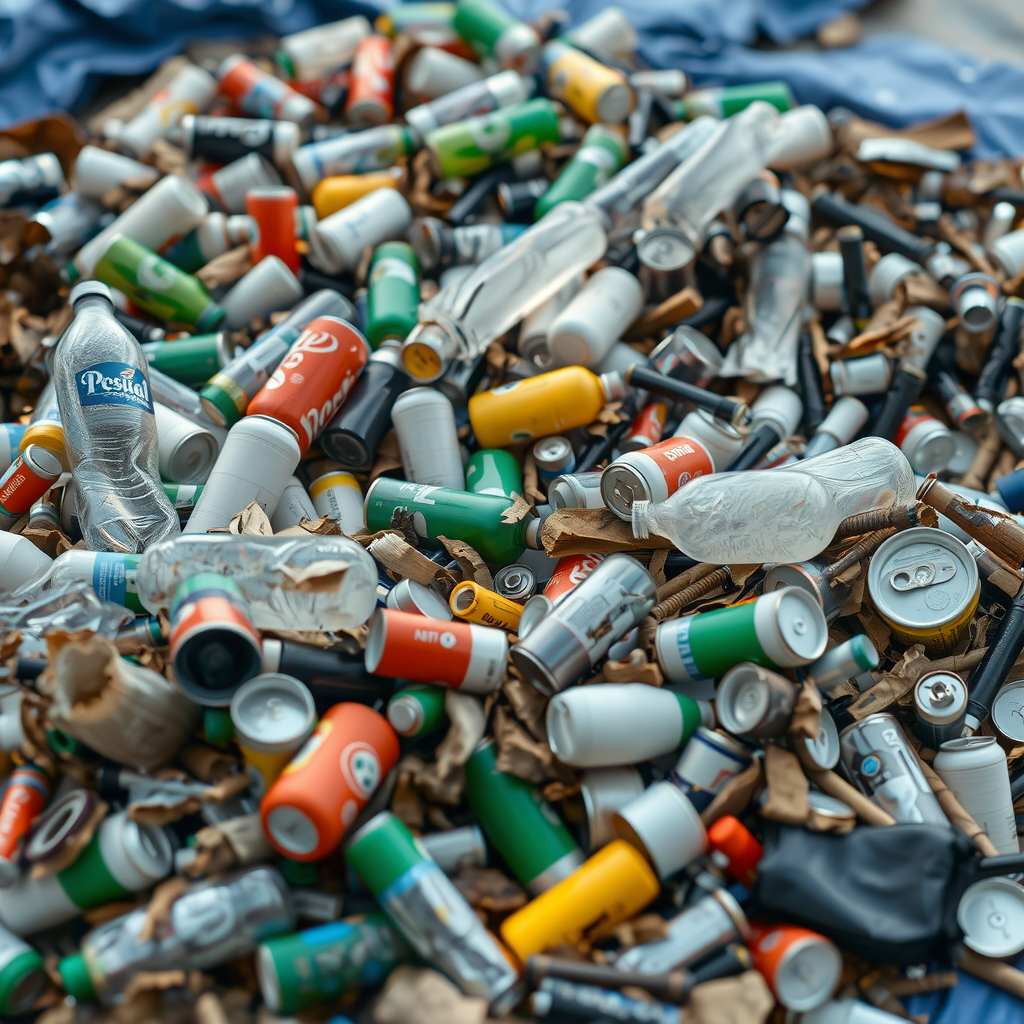
Collected materials sorted by type for proper recycling and disposal
Unusual and Concerning Finds
Beyond common litter, volunteers discovered several unusual items that highlight the diverse nature of watershed pollution. These findings included:
- Automotive Parts: Tires, hubcaps, and various car components were found in multiple locations, likely washed downstream during heavy rain events.
- Construction Materials: Lumber, roofing materials, and concrete fragments indicated improper disposal from construction sites.
- Electronic Waste: Computer monitors, keyboards, and other electronics were discovered, raising concerns about heavy metal contamination.
- Household Items: Furniture, appliances, and other large household items had been illegally dumped near waterways.
Impact on Local Wildlife
The presence of this debris in our waterways has profound and often devastating effects on local wildlife populations. Our environmental scientists have documented numerous cases of wildlife injury and habitat degradation directly attributable to human-generated pollution.
Direct Physical Harm
Wildlife encounters with trash can result in immediate physical injury or death. During this year's cleanup, volunteers found evidence of wildlife entanglement in plastic six-pack rings, fishing line, and plastic bags. These materials can restrict movement, cause lacerations, and prevent animals from feeding or escaping predators.
"We documented three separate instances where waterfowl had become entangled in discarded fishing line, and we found a deceased turtle that had ingested a plastic bag. These are preventable tragedies that underscore why this cleanup work is so critical." - Dr. Sarah Martinez, Wildlife Biologist
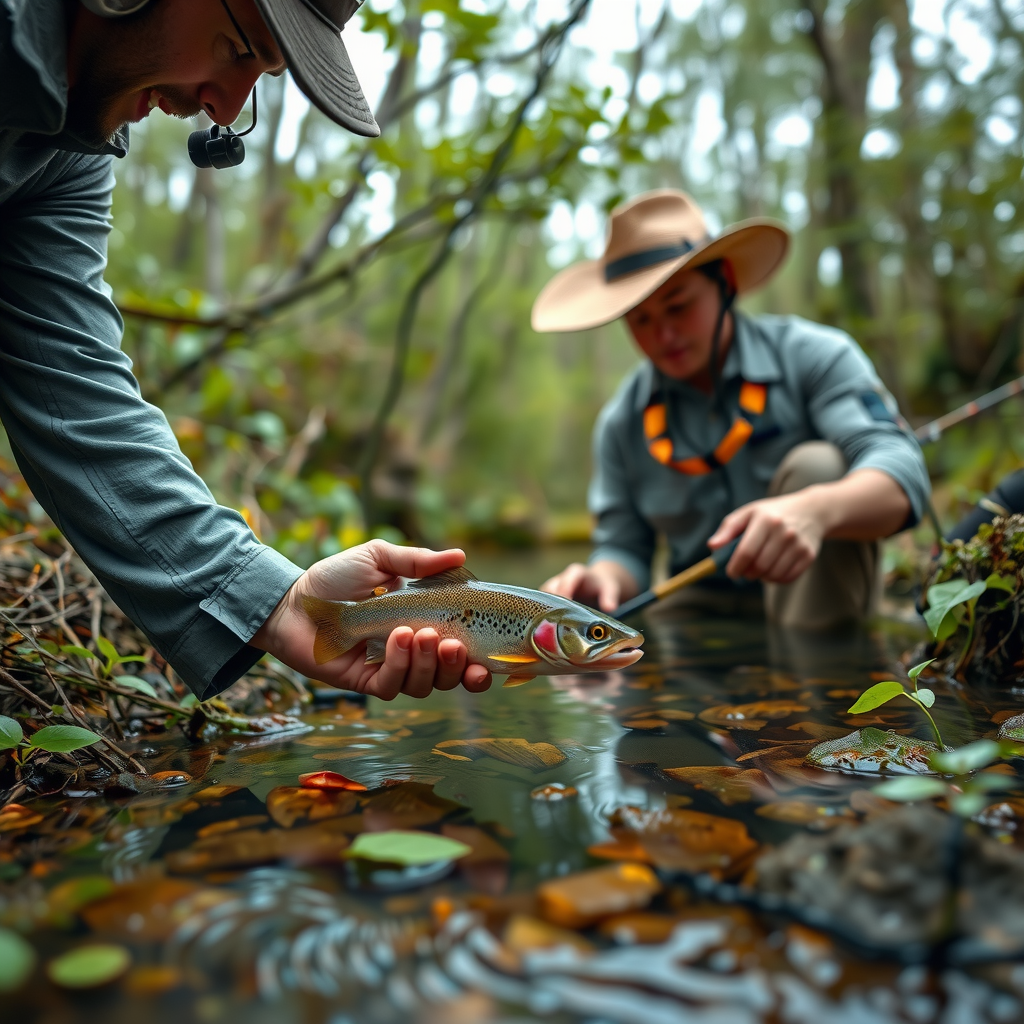
Biologists assess wildlife habitat conditions following the cleanup effort
Ingestion and Toxicity
Many aquatic and semi-aquatic species mistake plastic debris for food, leading to ingestion of materials that cannot be digested. This can cause intestinal blockages, malnutrition, and death. Additionally, plastics in waterways break down into microplastics that enter the food chain at every level, from microscopic organisms to fish to the birds and mammals that feed on them.
Our water quality testing has revealed elevated levels of chemical pollutants associated with plastic degradation, including phthalates and bisphenol A (BPA). These endocrine-disrupting chemicals can affect reproduction and development in wildlife populations, potentially causing long-term ecosystem impacts.
Habitat Degradation
Beyond direct harm to individual animals, accumulated debris degrades the quality of aquatic habitats. Trash accumulation can:
- Smother spawning grounds for fish and amphibians
- Block water flow, creating stagnant areas with low oxygen levels
- Alter stream temperatures by blocking sunlight or creating heat-absorbing surfaces
- Introduce invasive species that hitchhike on floating debris
- Reduce the aesthetic and recreational value of waterways, decreasing public engagement with conservation
Success Story: Restored Nesting Site
One of this year's most rewarding outcomes was the restoration of a great blue heron nesting site that had been compromised by accumulated debris. After volunteers removed over 200 pounds of trash from the area, wildlife cameras documented the return of nesting pairs within two weeks. This demonstrates the immediate positive impact that cleanup efforts can have on local wildlife populations.
Community Response and Volunteer Stories
The success of this year's cleanup event reflects the growing environmental awareness and commitment within our community. Volunteers ranged from elementary school students to retirees, representing diverse backgrounds united by a common goal of watershed protection.
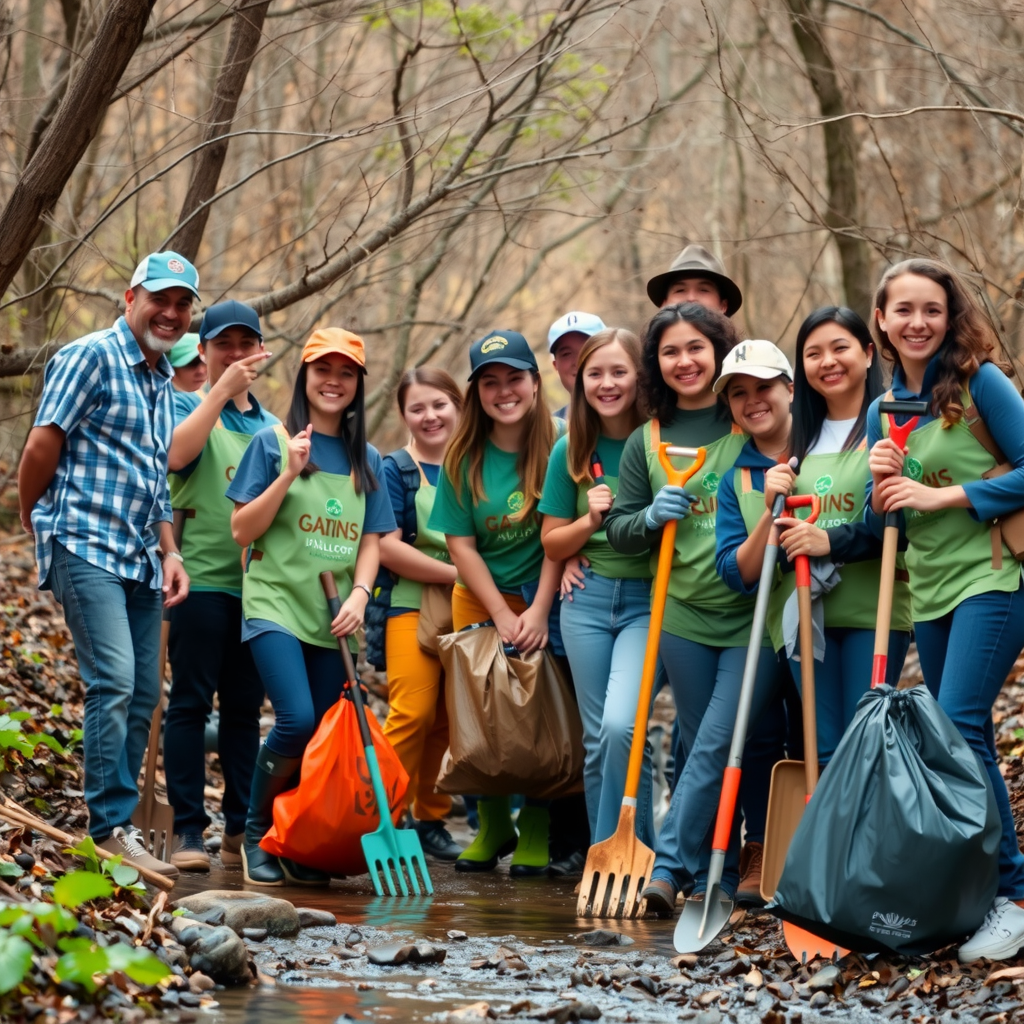
Volunteers celebrate a successful cleanup day
First-time volunteer Jennifer Thompson, who brought her two children to participate, shared her perspective: "I wanted my kids to understand that environmental conservation isn't just something we talk about—it's something we do. Seeing the amount of trash we removed in just a few hours was eye-opening for all of us. We're already planning to participate in the quarterly cleanups next year."
Long-time participant Marcus Chen, who has attended every annual cleanup since the program's inception, noted the evolution of the event: "Eight years ago, we were a small group wondering if we could make a difference. Now, seeing 150 people show up demonstrates that our community truly cares about these waterways. The challenge is maintaining this momentum and preventing the pollution in the first place."
Looking Ahead: Quarterly Cleanup Events in 2025
Building on the success of our annual event, the South Fayette Conservation Group is excited to announce an expanded cleanup program for 2025. We will be implementing quarterly watershed cleanup events, allowing for more frequent maintenance of our waterways and greater community engagement throughout the year.
2025 Cleanup Schedule
Q1 - March 2025: Spring Renewal Cleanup
Focus on removing winter debris and preparing waterways for spring spawning season. This cleanup will target areas where ice and snowmelt have deposited accumulated trash.
Q2 - June 2025: Summer Stewardship Event
Emphasis on recreational areas and popular fishing spots to ensure clean, safe waterways during peak usage season. This event will include water quality testing and invasive species monitoring.
Q3 - September 2025: Annual Watershed Cleanup
Our flagship event will continue as the largest cleanup of the year, with expanded coverage areas and enhanced volunteer training programs.
Q4 - November 2025: Pre-Winter Preparation
Final cleanup before winter freeze, focusing on removing materials that could cause ice jams or be buried under snow, making spring cleanup more challenging.
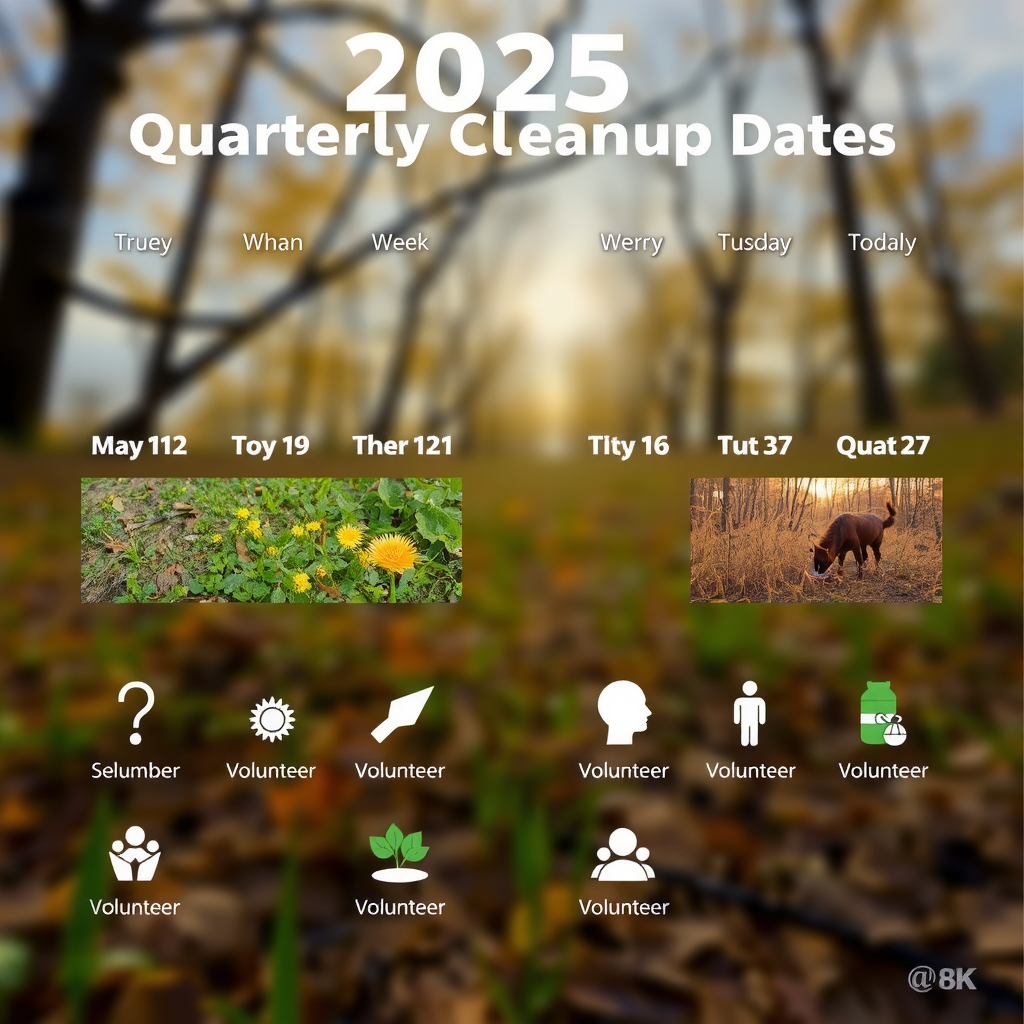
2025 quarterly cleanup schedule
Enhanced Program Features
The quarterly cleanup program will incorporate several new features designed to maximize environmental impact and volunteer engagement:
Program Enhancements:
- Volunteer Training Sessions: Pre-event workshops on proper cleanup techniques, safety protocols, and wildlife identification
- Youth Education Component: Specialized programming for school groups and youth organizations
- Data Collection Initiative: Systematic documentation of pollution types and quantities to inform prevention strategies
- Adopt-a-Stream Program: Opportunities for groups to take responsibility for specific waterway segments
- Corporate Partnership Program: Engagement with local businesses for sponsorship and employee volunteer days
Prevention and Education Initiatives
While cleanup events are essential for addressing existing pollution, preventing trash from entering waterways in the first place is the ultimate goal. Based on findings from this year's cleanup, we are launching several prevention-focused initiatives.
Storm Drain Marking Program
We will be implementing a community-wide storm drain marking program to raise awareness that storm drains flow directly to streams and rivers. Volunteers will install markers reading "Dump No Waste - Drains to Stream" on storm drains throughout the watershed, serving as constant reminders of the connection between street litter and water pollution.
School Education Outreach
Our education team will be visiting local schools to present watershed protection programs, including hands-on activities that demonstrate how pollution travels through water systems. Students will learn about the lifecycle of plastic pollution and the importance of proper waste disposal and recycling.
Business Partnership Initiative
We are working with local restaurants, retailers, and other businesses to reduce single-use plastics and improve waste management practices. This includes providing resources for transitioning to sustainable alternatives and implementing proper recycling programs.
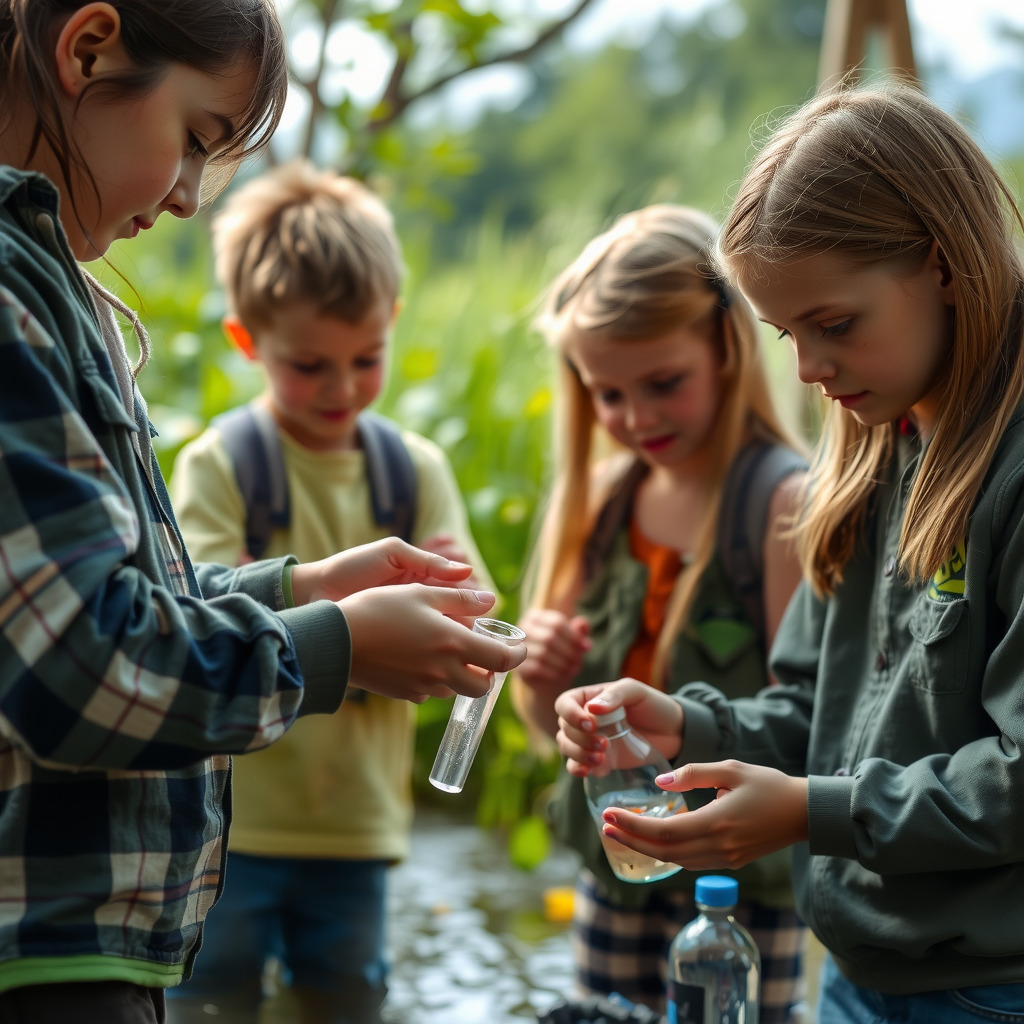
Education programs teach the next generation about watershed protection
How You Can Get Involved
The success of our watershed protection efforts depends on sustained community involvement. There are numerous ways to contribute to cleaner waterways, whether you can commit to regular volunteer work or prefer to support the cause in other ways.
Volunteer Opportunities
Join us for quarterly cleanup events or participate in our ongoing monitoring and maintenance programs. Volunteers receive training, equipment, and the satisfaction of making a tangible difference in environmental conservation. No prior experience is necessary—just a willingness to help protect our precious water resources.
Adopt-a-Stream
Consider adopting a stream segment through our new program. Adopters commit to monitoring their assigned area, conducting periodic cleanups, and reporting any concerns. This program is perfect for families, community groups, or businesses looking for meaningful environmental engagement.
Reduce Your Impact
Individual actions matter. Simple changes like using reusable water bottles, properly disposing of trash, and choosing products with minimal packaging can significantly reduce the amount of waste that ends up in our waterways. Every piece of trash prevented is one less item that volunteers need to remove from our streams.
Join Our Next Event
Registration for our March 2025 Spring Renewal Cleanup will open in January. Mark your calendars and watch for announcements about this exciting expansion of our watershed protection program. Together, we can ensure that our waterways remain clean, healthy, and vibrant for generations to come.
Conclusion: A Community United for Clean Water
The 2024 annual watershed cleanup demonstrated the remarkable impact that dedicated community members can achieve when working together toward a common environmental goal. The removal of 2.3 tons of trash and recyclables represents not just a cleaner watershed, but a community's commitment to environmental stewardship and the protection of local wildlife habitats.
As we look toward 2025 and the implementation of quarterly cleanup events, we are filled with optimism about the future of our waterways. The challenges are significant—pollution continues to threaten water quality and wildlife—but the response from our community has been equally powerful. With 150 volunteers demonstrating their commitment this year, and plans to expand engagement through quarterly events, we are building a sustainable model for watershed protection that can serve as an example for other communities.
The health of our waterways reflects the health of our community. Clean streams and rivers provide habitat for diverse wildlife, recreational opportunities for residents, and essential ecosystem services that benefit everyone. By continuing to invest time and effort in watershed cleanup and protection, we are investing in the environmental and economic vitality of our region.
Thank you to every volunteer who participated in this year's cleanup, and to the many community members who support our mission through donations, advocacy, and daily actions that prevent pollution. Your commitment to environmental conservation makes events like this possible and ensures that future generations will inherit waterways that are clean, healthy, and teeming with life.
The vision we work toward: pristine waterways supporting thriving ecosystems
Together, we are making a difference—one cleanup, one volunteer, one piece of trash at a time. Join us in 2025 as we continue this vital work of protecting and restoring our watershed for the benefit of all who depend on it.