Environmental Education
Innovative Environmental Education Program Reaches 12 Schools Across South Fayette
The South Fayette Conservation Group is proud to announce the launch of our comprehensive environmental education program, now reaching 12 elementary and middle schools throughout the region. This groundbreaking initiative brings trained environmental educators directly into classrooms, teaching the next generation about sustainable practices, native ecosystems, and the critical importance of industrial environmental responsibility.
Program Overview and Reach
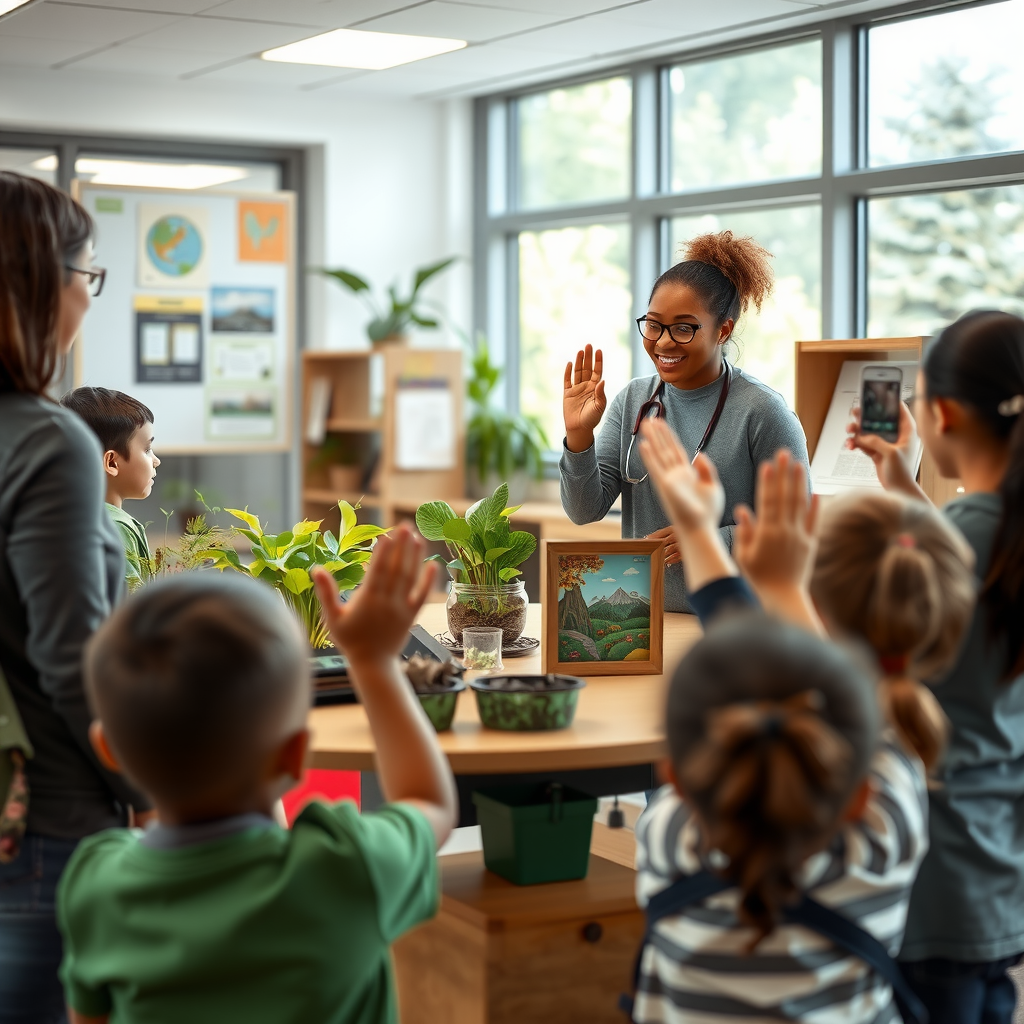
Our environmental education program represents a significant milestone in community-based conservation efforts. After months of careful planning and curriculum development, we have successfully partnered with 12 schools across South Fayette, reaching approximately 3,200 students from grades 3 through 8. The program operates throughout the academic year, with each participating school receiving monthly visits from our team of certified environmental educators.
The initiative was made possible through generous funding from local industry partners committed to environmental stewardship, as well as grants from state environmental agencies. This public-private partnership model ensures the program's sustainability while demonstrating how industry environmental conservation efforts can directly benefit local communities. Our membership organization has grown by 40% since announcing this program, reflecting strong community support for hands-on environmental education.
Program by the Numbers
Each of our eight trained environmental educators brings unique expertise to the program. Our team includes former teachers, wildlife biologists, environmental scientists, and conservation professionals who have undergone specialized training in age-appropriate environmental education techniques. They work collaboratively with classroom teachers to ensure the program aligns with state science standards while providing engaging, memorable learning experiences that extend beyond traditional textbook instruction.
Curriculum Focus: Sustainable Practices and Native Ecosystems
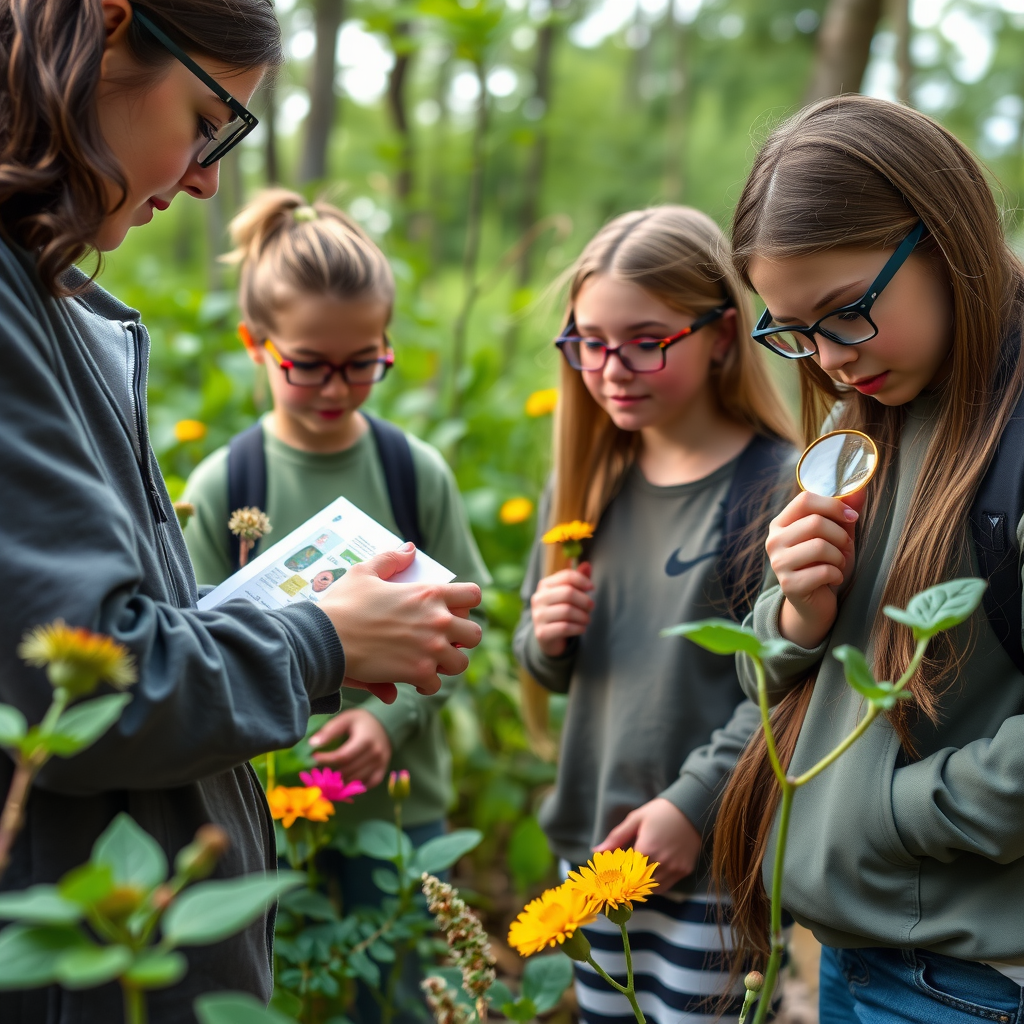
The curriculum is structured around three core pillars that reflect our organization's commitment to comprehensive environmental stewardship. The first pillar focuses on sustainable practices that students can implement in their daily lives and communities. Through interactive demonstrations and hands-on activities, students learn about waste reduction, recycling systems, water conservation, energy efficiency, and sustainable consumption patterns. These lessons emphasize practical actions that young people can take to reduce their environmental footprint.
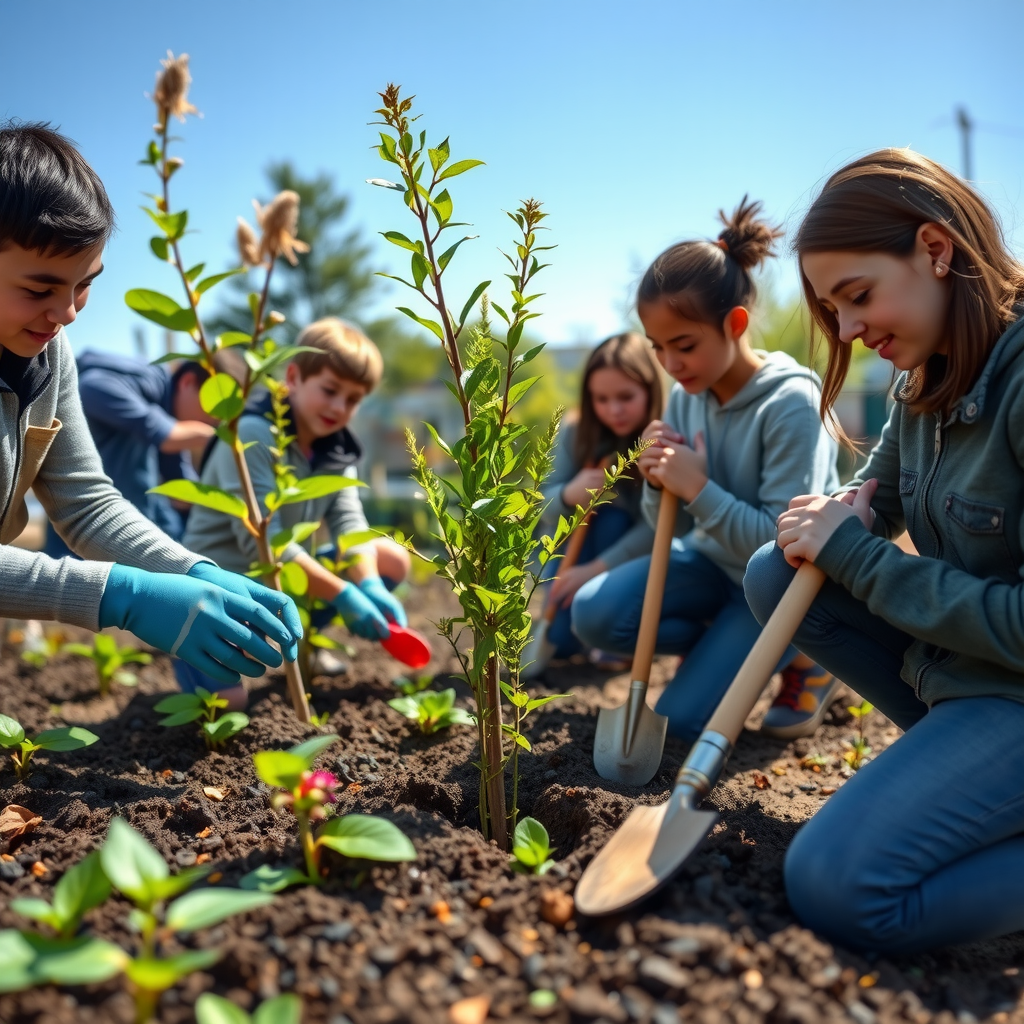
Our second curriculum pillar explores native ecosystems unique to the South Fayette region. Students discover the interconnected relationships between native plants, animals, insects, and microorganisms that make up healthy local ecosystems. Field activities include identifying native species, understanding habitat requirements, and recognizing the threats posed by invasive species. We've established outdoor learning stations at several participating schools where students can observe native plantings and wildlife habitats throughout the seasons.
Hands-On Learning Activities
The program's success stems largely from its emphasis on experiential learning. Rather than relying solely on lectures and worksheets, our educators facilitate engaging activities that allow students to directly interact with environmental concepts. Popular activities include building miniature ecosystems in terrariums, conducting water quality tests on local streams, creating compost systems, designing wildlife-friendly gardens, and participating in citizen science projects that contribute real data to regional conservation efforts.
One particularly successful activity involves students tracking their household waste for one week, then working in teams to develop creative solutions for reducing that waste. This exercise not only teaches practical sustainability skills but also encourages students to become environmental advocates within their own families. Teachers report that many students have inspired their parents to adopt more sustainable practices at home, demonstrating the program's ripple effect throughout the community.
Industrial Environmental Responsibility Education
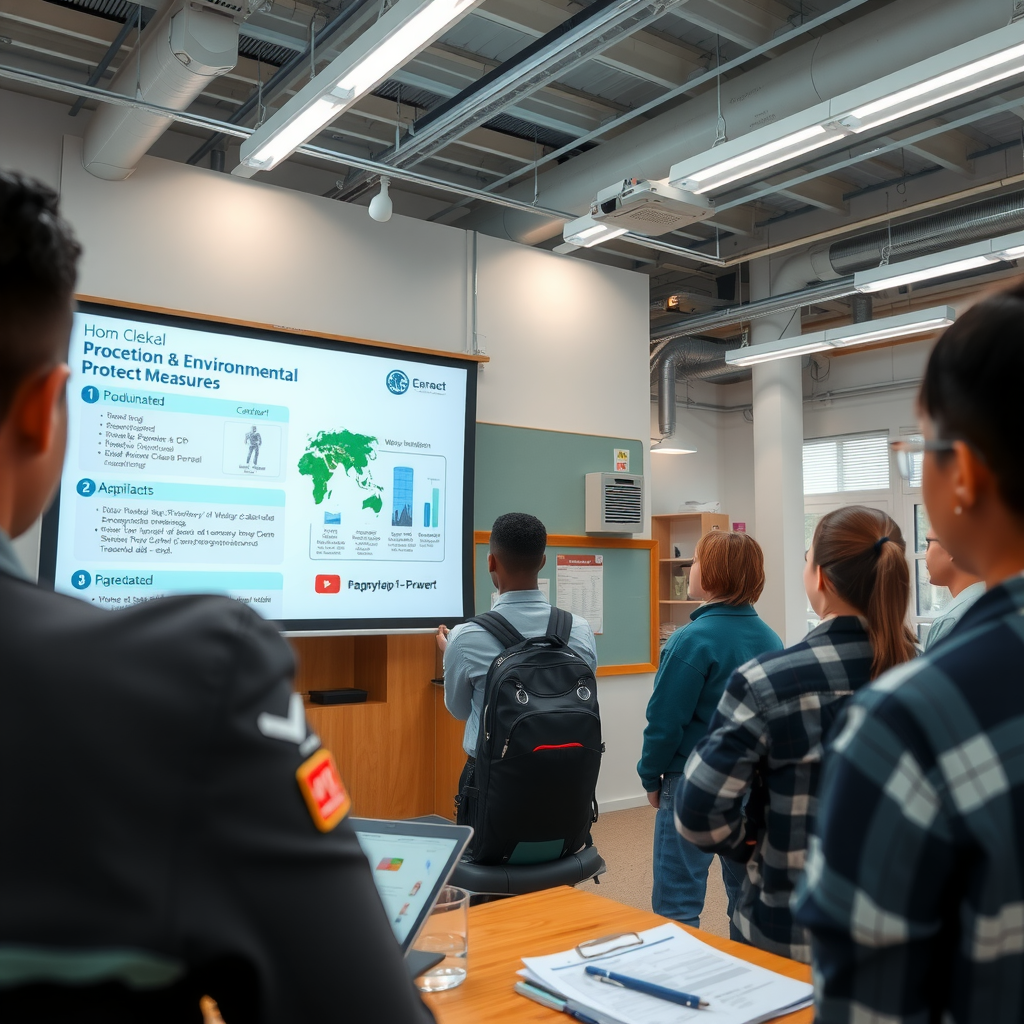
The third pillar of our curriculum addresses industrial environmental responsibility, a topic that sets our program apart from traditional environmental education initiatives. As a membership organization focused on industry environmental conservation, we believe it's essential for young people to understand how businesses and industries can operate responsibly while protecting natural resources. This balanced approach helps students appreciate the complexity of environmental challenges and the importance of collaborative solutions.
Students learn about pollution prevention technologies, environmental monitoring systems, sustainable manufacturing practices, and the regulatory frameworks that protect air and water quality. We present case studies of local companies that have successfully implemented environmental management systems, reduced their carbon footprints, and contributed to conservation efforts. These real-world examples help students understand that environmental protection and economic activity can coexist when businesses prioritize sustainability.
Industry Partnership and Site Visits
A highlight of the program is the opportunity for older students to participate in guided tours of local industrial facilities that exemplify environmental best practices. These carefully supervised visits allow students to see firsthand how companies monitor emissions, treat wastewater, manage waste streams, and implement energy-efficient technologies. Environmental managers and engineers at these facilities explain their work and answer student questions, providing valuable insights into environmental careers.
These industry partnerships benefit all parties involved. Students gain practical knowledge about environmental science applications, companies demonstrate their commitment to community engagement and environmental stewardship, and our organization strengthens relationships with industry members who support our public charity mission. Several participating companies have established scholarship programs for students interested in pursuing environmental science or engineering careers, creating pathways for the next generation of environmental professionals.
Teacher and Student Feedback
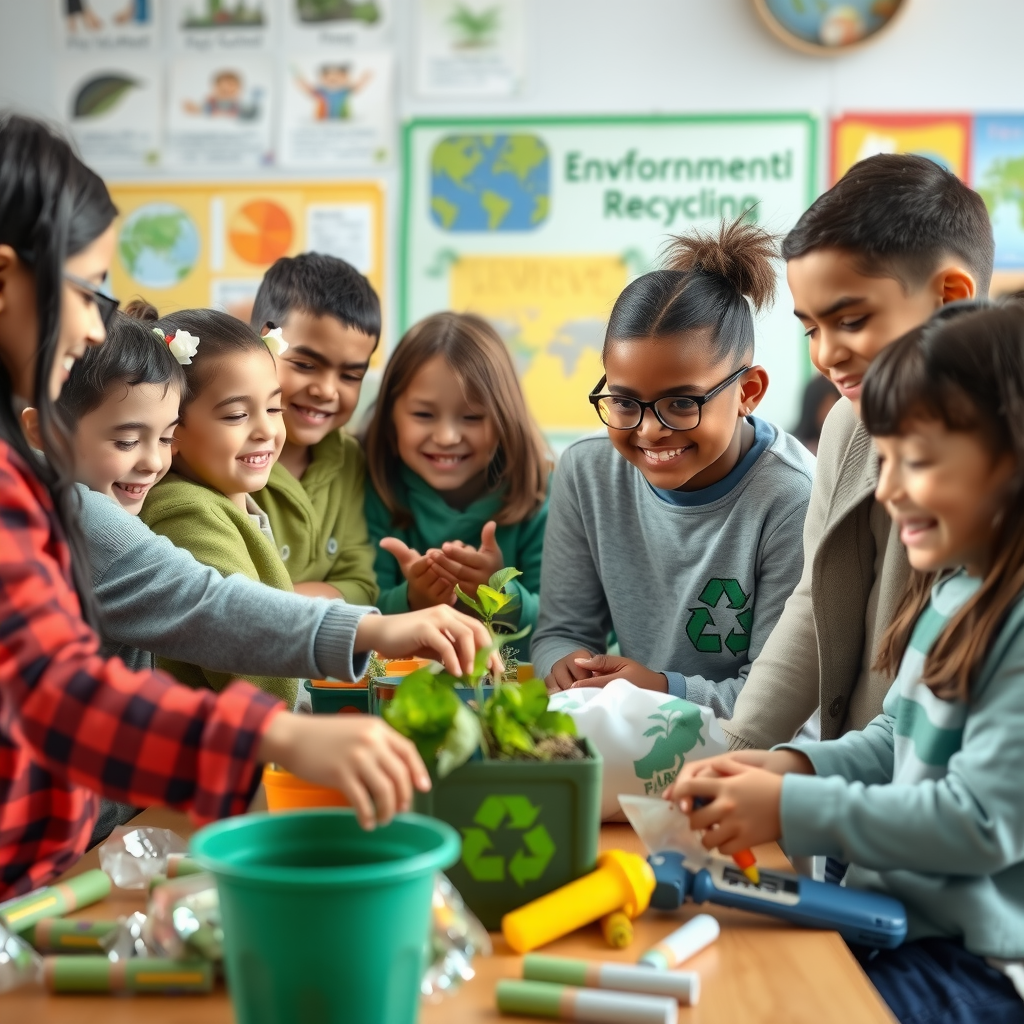
The response to our environmental education program has exceeded expectations. Teachers consistently praise the program's alignment with science standards and its ability to engage students who might not otherwise show interest in environmental topics. Many educators report that the hands-on activities and real-world connections help students retain information more effectively than traditional teaching methods. The program has become so popular that we have a waiting list of additional schools hoping to participate in future years.
Student feedback has been equally enthusiastic. Post-program surveys reveal that 94% of participating students report increased awareness of environmental issues, 87% feel more confident in their ability to make environmentally responsible choices, and 78% have discussed what they learned with family members. Many students express interest in pursuing environmental careers or becoming more involved in conservation activities. Several schools have established student-led environmental clubs as a direct result of the program's influence.
"This program has transformed how my students think about their relationship with the environment. They're not just learning facts—they're developing a genuine sense of environmental stewardship that will stay with them for life."
— Sarah Mitchell, 5th Grade Teacher, Fairview Elementary
Parents have also noticed positive changes in their children's behavior and attitudes. Many report that their children now remind them to recycle, turn off lights, and conserve water. Some families have started composting, reduced their use of single-use plastics, or begun volunteering for local conservation projects as a result of their children's enthusiasm for environmental protection. This family engagement amplifies the program's impact far beyond the classroom.
Future Expansion and Long-Term Goals
Building on the program's initial success, the South Fayette Conservation Group has ambitious plans for expansion. We aim to reach 20 schools by the 2025-2026 academic year and eventually extend the program to all schools within our service area. We're also developing specialized curriculum modules for high school students that delve deeper into environmental science, policy, and career pathways. These advanced modules will include opportunities for students to conduct independent research projects and present their findings at regional science fairs.
We're exploring partnerships with local colleges and universities to create mentorship opportunities that connect students with environmental science majors and professors. This mentorship component would provide additional support for students interested in environmental careers while giving college students valuable teaching experience. We're also working to develop a summer environmental education camp that would offer intensive, week-long programs for students who want to deepen their environmental knowledge.
Measuring Long-Term Impact
As a membership organization committed to evidence-based conservation, we're implementing comprehensive evaluation systems to track the program's long-term impact. We'll conduct follow-up surveys with students one, three, and five years after program participation to assess lasting changes in environmental knowledge, attitudes, and behaviors. We're also tracking metrics such as school recycling rates, energy consumption, and water usage to measure the program's tangible environmental benefits.
This data will help us refine our curriculum, demonstrate the program's value to funders and stakeholders, and contribute to the broader field of environmental education research. We're committed to transparency in our evaluation process and will share our findings with other conservation organizations interested in developing similar programs. By documenting what works and what doesn't, we hope to advance the practice of environmental education across the region and beyond.
Supporting the Program
The environmental education program represents a significant investment in our community's future, and its continued success depends on strong support from individuals, businesses, and organizations throughout South Fayette. As a public charity, we rely on donations, grants, and membership dues to fund our educational initiatives. Every contribution directly supports our ability to reach more students and provide high-quality environmental education experiences.
Businesses interested in supporting industry environmental conservation can become program sponsors, gaining recognition for their commitment to environmental stewardship while helping educate the next generation of environmental leaders. Individual community members can support the program through membership in our organization, volunteering as classroom assistants, or donating materials and supplies for hands-on activities. Teachers and school administrators interested in bringing the program to their schools are encouraged to contact us to discuss partnership opportunities.
The launch of this environmental education program marks a pivotal moment in our organization's history and in South Fayette's commitment to environmental stewardship. By investing in young people's environmental education today, we're building a foundation for a more sustainable, environmentally conscious community tomorrow. We're excited to watch these students grow into informed, engaged citizens who understand the importance of protecting our natural resources and the role that responsible industry plays in environmental conservation.